
Premium iPhone Games With Leaderboards: Competitive Play

Photo by Emily Wade on Unsplash
Premium iPhone Games With Leaderboards
Leaderboards transform a single-player game into a quiet competition. You finish a run, see your score, and immediately want to beat it—or beat someone else’s. On iPhone, most leaderboard games live in free-to-play land, where the board exists to make you spend. The premium space is smaller, but it’s where you’ll find games that use leaderboards to celebrate mastery instead of monetize it.
Score-chasing games you buy once and own forever: arcade-action titles where the leaderboard is a feature, not a dark pattern. No energy timers. No ads between attempts. No premium currency to climb faster.
What Makes a Leaderboard Worth Chasing
A leaderboard only matters if three things align: the scoring system has to be transparent (you know exactly what counts), the skill ceiling has to be high (there’s always room to improve), and the game has to be fair (no randomness that overwrites player input).
The best leaderboard games have tight feedback loops. You finish a 90-second run, see the score immediately, and know exactly what you’d do differently next time. That instant feedback—and the clarity of what you’re optimizing for—is what keeps players coming back.
Arcade-Action Games With Global Leaderboards
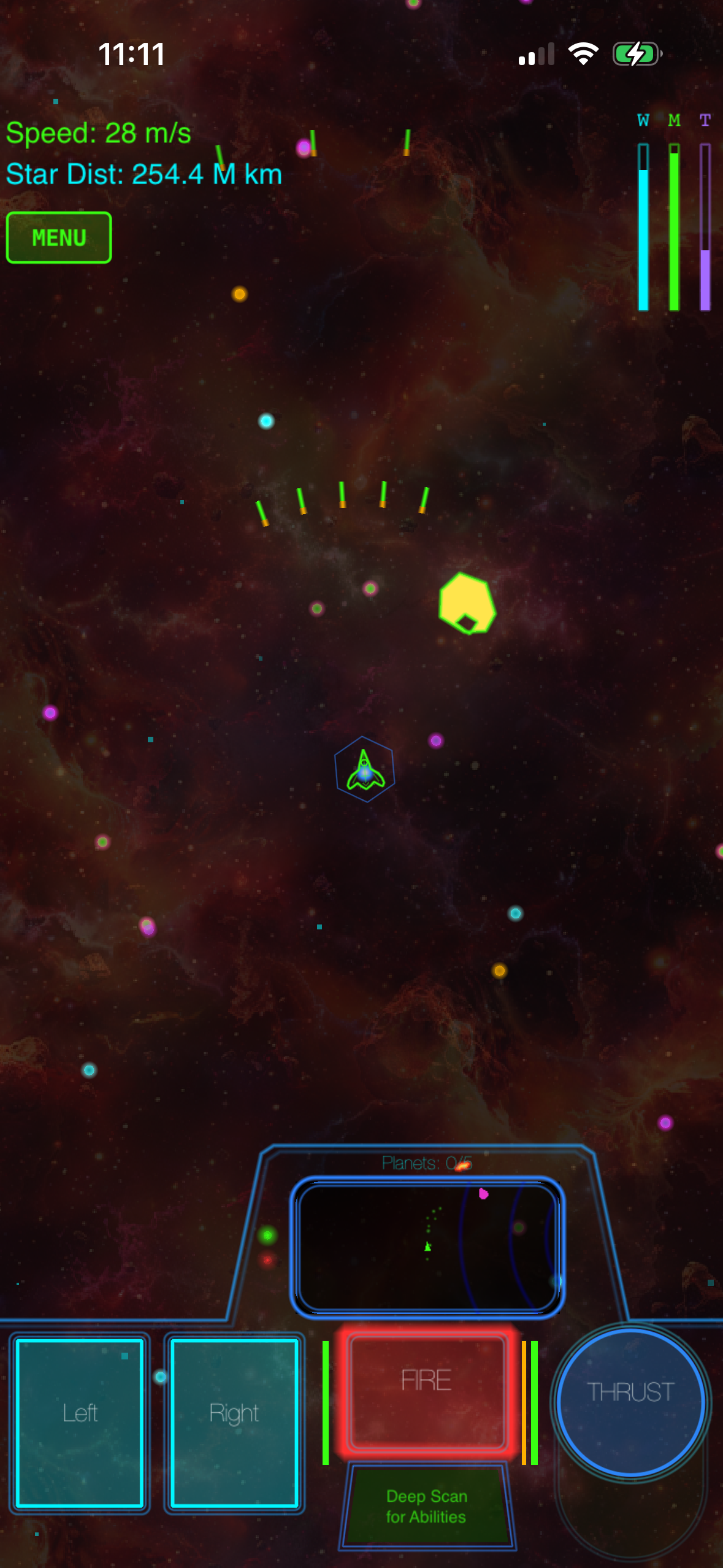
Games in this category live or die by their scoring rules. A good arcade leaderboard game makes scoring intuitive (points for kills, for survival time, for efficiency) and the rules consistent run-to-run.
Galaximus (, released 2024) stands out because its leaderboard is built on a foundation of real physics. Every player is solving the same orbital-mechanics puzzle—how to navigate gravity wells efficiently, how to time slingshots, how to manage fuel. The scoring rewards both speed and precision. Two players with identical skill will post similar scores; randomness doesn’t interfere. The learning curve is real (gravity is the interface you have to master), but once you’ve learned it, the leaderboard becomes a pure measure of piloting skill.
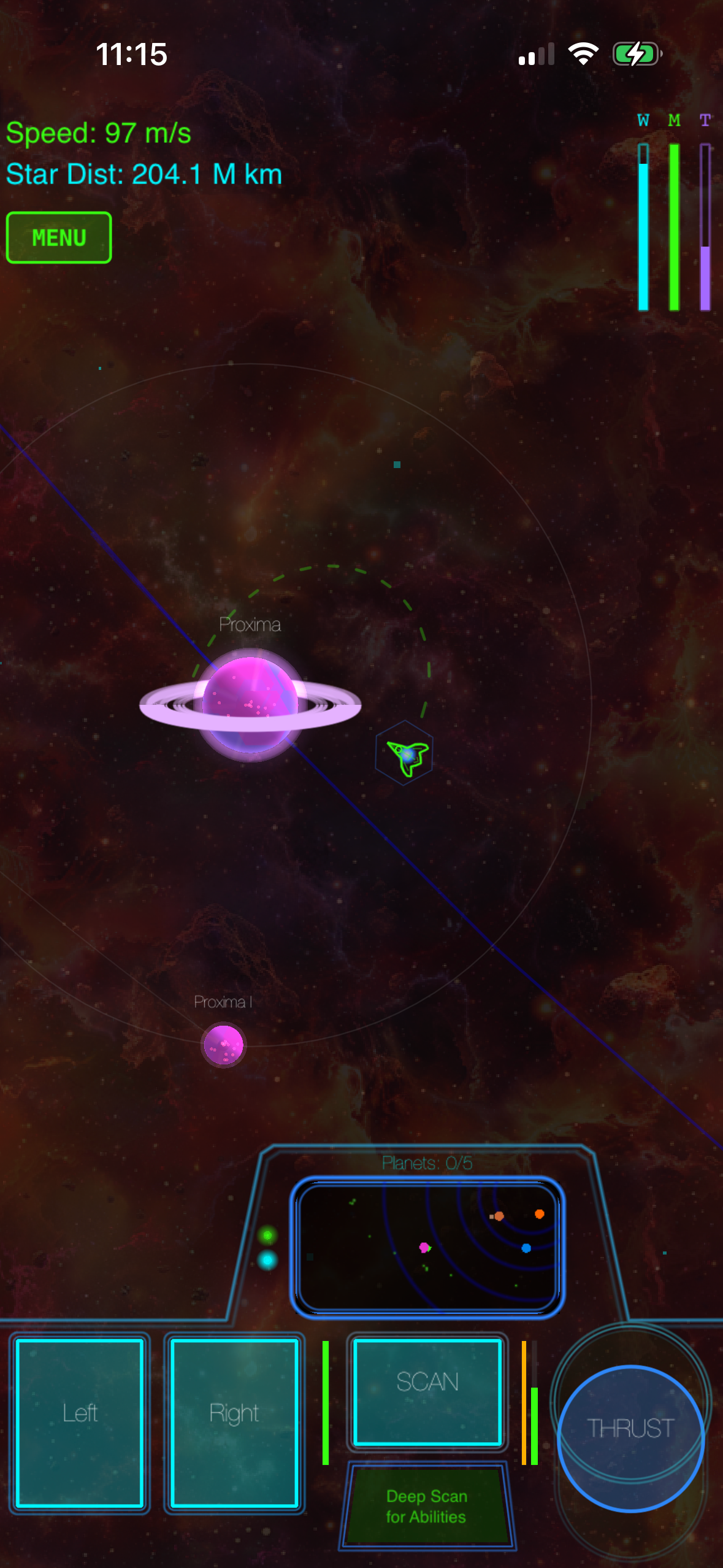
The game’s procedurally generated star systems mean each playthrough is unique, but the physics rules are constant. That consistency is what makes the leaderboard meaningful—you’re not chasing a score on a fixed level, you’re proving you can handle any configuration the game throws at you.

Other arcade titles include Asteroid Blaster Pro and Lunar Lander+ , which lean into the simplicity of classic arcade scoring (points per kill, bonus for efficiency). Both games feature deterministic enemy patterns and fixed spawn rules, keeping leaderboards fair across all players. The trade-off is that these games are often more pick-up-and-play than Galaximus—lower learning curve, but also lower skill ceiling.
Strategy and Puzzle Games With Competitive Scoring
Leaderboards in strategy games often measure efficiency: how few moves to solve a puzzle, how fast you cleared a level, how much you optimized a limited resource. The scoring system becomes part of the puzzle itself.
Games in this category reward planning over reflexes. You might have unlimited time to make a move, but the leaderboard tracks how few moves you used or how quickly you submitted your solution. This shifts competition away from twitch skill and toward pattern recognition and foresight.
Threes! uses a move-count leaderboard where players compete to solve the same puzzle configuration in the fewest steps. Two Dots tracks fastest clear times across daily challenges, creating a rotating competitive window. Crossy Road: Endless Arcade combines puzzle mechanics with leaderboard scoring based on distance and efficiency, rewarding both planning and execution.
The best of these games make the optimization target clear: “fewest moves wins” or “fastest clear time wins.” Ambiguous scoring kills leaderboard engagement. Premium games tend to be transparent about this because they’re not trying to sell you a power-up to climb faster—they just want you to play well.
Real-Time Combat and Skill-Based Leaderboards
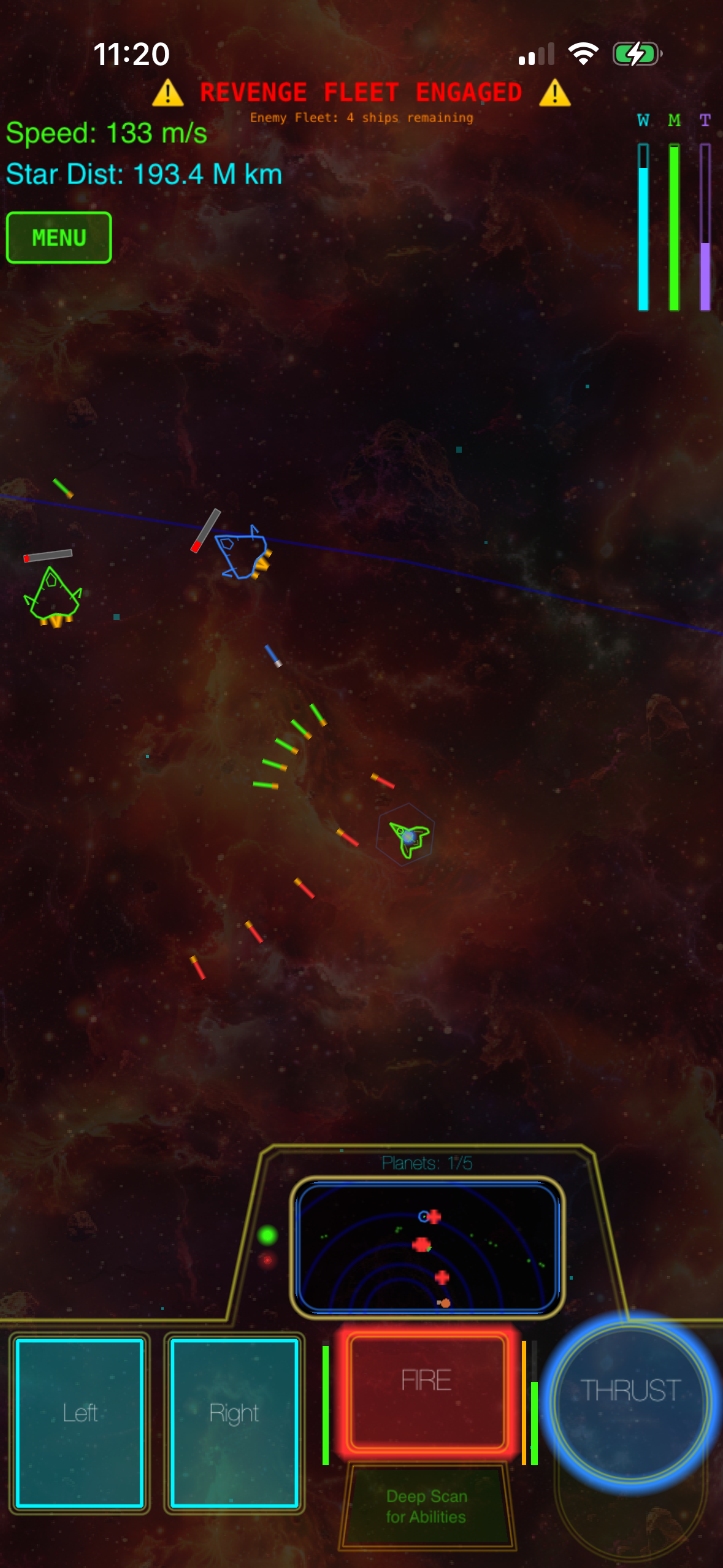
Real-time games with leaderboards face a harder design challenge: how do you make a leaderboard fair when reflexes, latency, and split-second decisions all matter?
The answer is consistency. Geometry Wars 3 uses deterministic enemy patterns and fixed spawn rules. Your score depends on your ability to read patterns and react, not on who got lucky with item drops. Void Tyrant applies the same principle to turn-based space combat, where leaderboards track survival waves and efficiency. Both games make the leaderboard a pure measure of reaction time and spatial awareness.
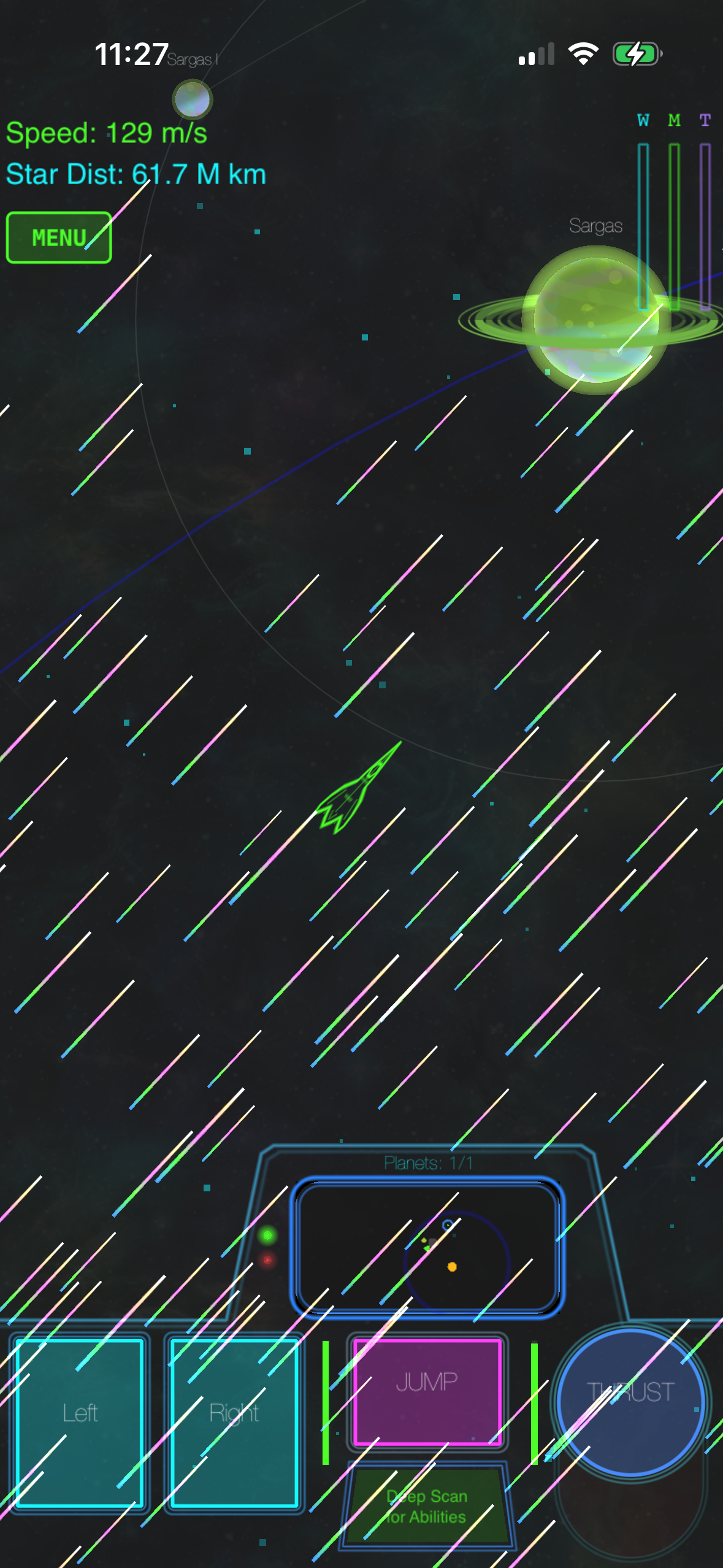
These games often have shorter run lengths (3–10 minutes) so players can attempt the leaderboard multiple times in a session. That high-frequency feedback loop is what keeps competitive players engaged. You finish a run, see where you rank, and immediately queue for another.
The skill floor is lower than arcade-action games (you don’t need to learn orbital mechanics), but the skill ceiling is just as high. The best players will post scores that feel unreachable until you’ve played for weeks.
Survival and Endurance Leaderboards
Some leaderboard games measure pure endurance: how long can you last? Duet tracks survival time as two rotating circles dodge incoming obstacles—the leaderboard shows who lasted longest. Crossy Road measures distance traveled before collision, creating a simple but deep endurance metric. Alto’s Adventure combines endless running with leaderboard scoring based on distance, tricks, and survival time.
Endurance leaderboards work well in premium games because there’s no temptation to sell continues. You die, your run ends, you see your score, and you try again. The game doesn’t offer to revive you for a small fee. That simplicity is what makes the leaderboard feel earned.
Games in this category can have surprisingly high skill ceilings. Surviving for 10 minutes might seem like a luck-based achievement until you watch a top-ranked player—they’re reading patterns, positioning themselves preemptively, and making micro-adjustments that turn randomness into manageable risk.
Procedural and Roguelike Leaderboards
Procedurally generated games present a leaderboard challenge: if every run is different, how do you compare scores fairly?
The answer is that you’re not comparing individual runs—you’re comparing how players perform across different procedural configurations. Two players might never see the same dungeon or asteroid field, but if they both score well on average, they’re both skilled.
Games like Slay the Spire (, premium deck-building roguelike) use leaderboards to track best runs and average performance across multiple attempts. The procedural generation is the content, not an excuse to hide unfair mechanics. Premium roguelikes with leaderboards tend to have clear scoring rules: points for kills, bonuses for speedruns, penalties for taking damage.
Leaderboard Design in Premium Games
The best premium leaderboard games share a few design principles:
Transparency. You can see exactly how your score was calculated. No hidden multipliers, no algorithmic black boxes. If you scored 15,000 points, you know it’s 100 kills × 150 points each.
Fairness. Every player has access to the same tools and rules. No pay-to-win mechanics. No matchmaking that pairs new players against veterans. The leaderboard reflects skill, not spending.
Feedback. You see your score immediately after a run ends. You don’t have to wait for a sync or wonder if your score counted. Instant feedback is what makes a leaderboard addictive.
Achievability. The top of the leaderboard should feel unreachable, but the next tier up should feel possible. If you’re in the 50th percentile, you should be able to see a path to the 25th. That progression keeps players engaged.
Finding Premium Leaderboard Games
The App Store search for “leaderboard” will surface mostly free-to-play titles. Here’s how to find the premium ones:
- Filter by “Paid” in the App Store category view.
- Check game descriptions for explicit mentions of “no ads” and “no IAP.” (Plenty of games claim “premium” while running ad breaks—read the fine print.)
- Look for arcade-action, puzzle, and roguelike categories first. These genres naturally support leaderboards without monetization.
Best Premium iPhone Games 2026: One-Time Purchase Gems
FAQ
Which premium leaderboard games have the highest skill ceiling? Galaximus, Geometry Wars 3, and Slay the Spire all reward thousands of hours of play with measurable improvement. Galaximus demands mastery of orbital mechanics; Geometry Wars 3 rewards pattern recognition and reflexes; Slay the Spire rewards strategic depth and decision-making across procedural runs.
Can I play offline and sync my score later? Most premium games require an internet connection to post a score to the global leaderboard. However, they maintain local scores on your device while offline. When you reconnect, the score syncs to the server. A few games (like Duet and Alto’s Adventure) offer fully offline leaderboards if you never want to go online.
What’s the difference between a premium game with a leaderboard and a free-to-play game with one? Premium games don’t sell power-ups, continues, or cosmetics that affect your rank. Your score is determined solely by your play. Free-to-play games often sell items that improve your performance, making the leaderboard a measure of spending as much as skill.
How do procedural games keep leaderboards fair? They normalize scores across different procedural seeds. If one dungeon is harder than another, the leaderboard algorithm accounts for it. This way, a player who got lucky with an easy seed doesn’t rank higher than a player who mastered a hard one.
Are leaderboards cross-platform (iPhone and iPad)? Usually, yes. If a game supports both iPhone and iPad, the leaderboard is typically shared. A few games maintain separate leaderboards by device, but that’s rare.
The Premium Leaderboard Advantage
The biggest advantage of premium leaderboard games is simplicity: you buy the game, you play it, and the leaderboard measures your skill. No one is paying for a better position. No one is grinding for a power-up that would swing the board. The leaderboard is a pure measure of play.
That clarity is rare on mobile in 2026. Most leaderboards exist to drive monetization. The ones in premium games exist because the developer wanted to build a competitive experience. That difference shows in how the games feel to play.
If you’re looking for a space-arcade game where leaderboards measure piloting skill under real orbital mechanics, Galaximus is worth trying. If you prefer puzzle or arcade-action games, the premium category has solid options—you just have to know where to look.
The leaderboard games worth chasing are the ones where your score is yours alone.


