Best iPhone Roguelike Games 2026: Paid Indie Picks

Photo by Sascha Reuter on Unsplash
Best iPhone Roguelike Games 2026: Paid Indie Picks
Roguelikes on iPhone have matured. Gone are the days when the format meant “pay once, grind forever with energy timers.” In 2026, the best paid roguelikes treat procedural challenge as a design philosophy, not a monetization tactic — each run is unique, but the game respects your time. You buy once, own forever, and every session feels fresh because the systems are genuinely procedural, not just reshuffled.
This guide covers premium roguelikes (one-time purchase, no ads, no IAP) that ship complete and craft-built. These are games where you can feel the developer’s attention to progression systems, difficulty curves, and the specific balance between randomness and player agency that makes roguelikes tick.
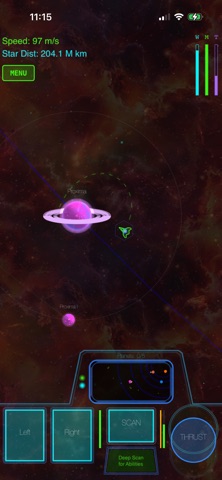
Galaximus: Orbital Mechanics Roguelike
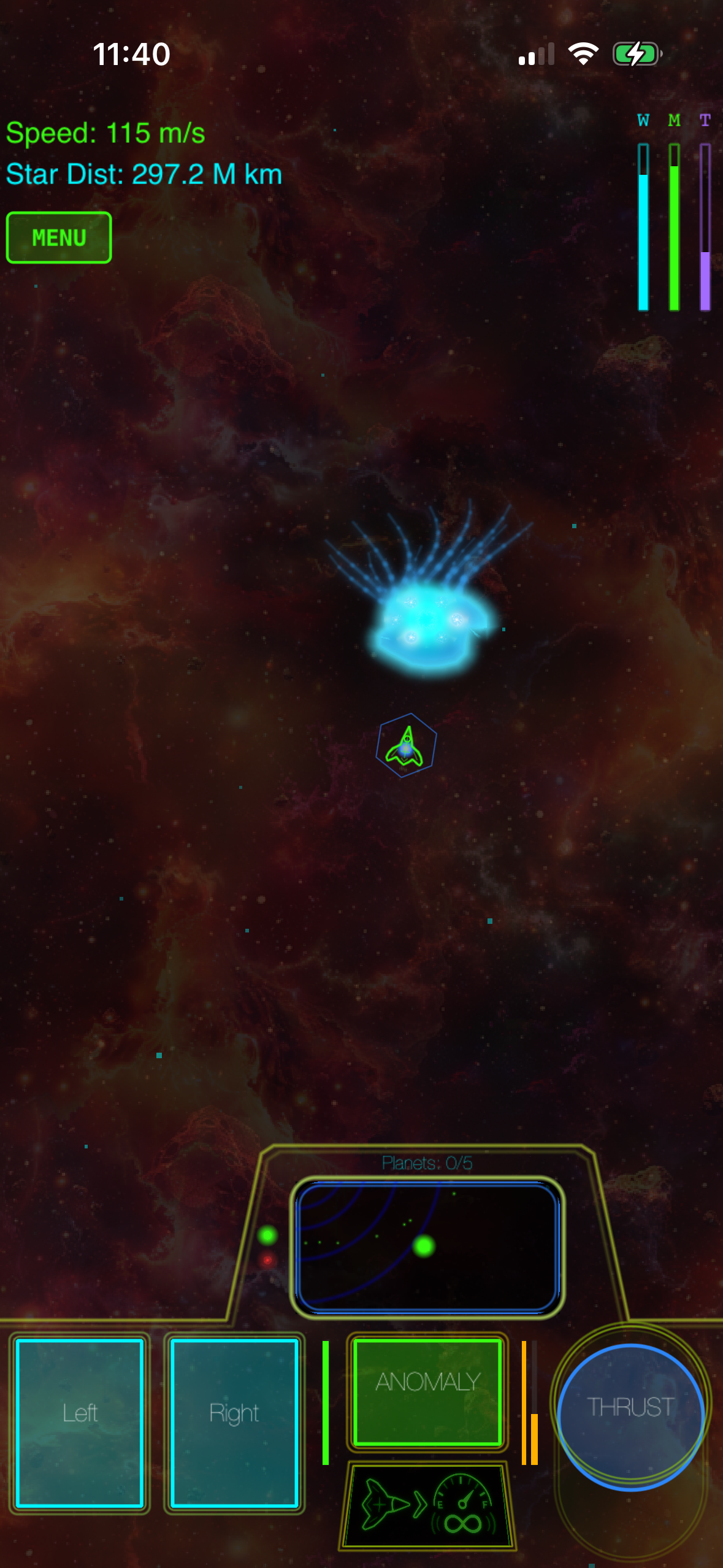
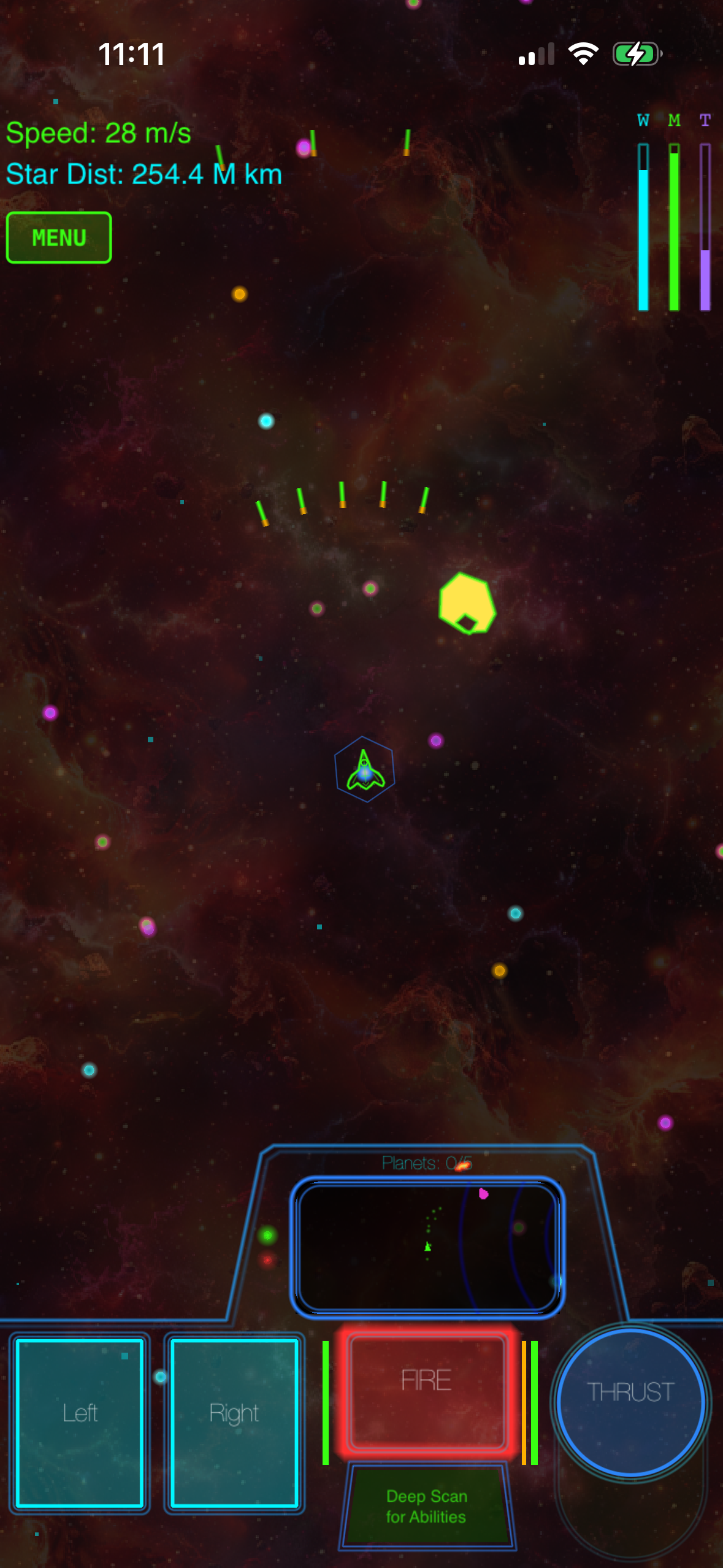
Galaximus stands alone on iPhone as a premium space-exploration roguelike where every celestial body obeys real orbital mechanics. Each playthrough generates a unique 8-system arc with procedurally configured planets, asteroids, and anomalies — spacetime rifts, derelict ships, distress beacons, and other encounters scattered through the systems. The learning curve is real (gravity is your engine, not a decoration), but mastery arrives faster than it looks: 30 minutes of focused play and you’re slingshot-turning around planets instead of fighting the controls.
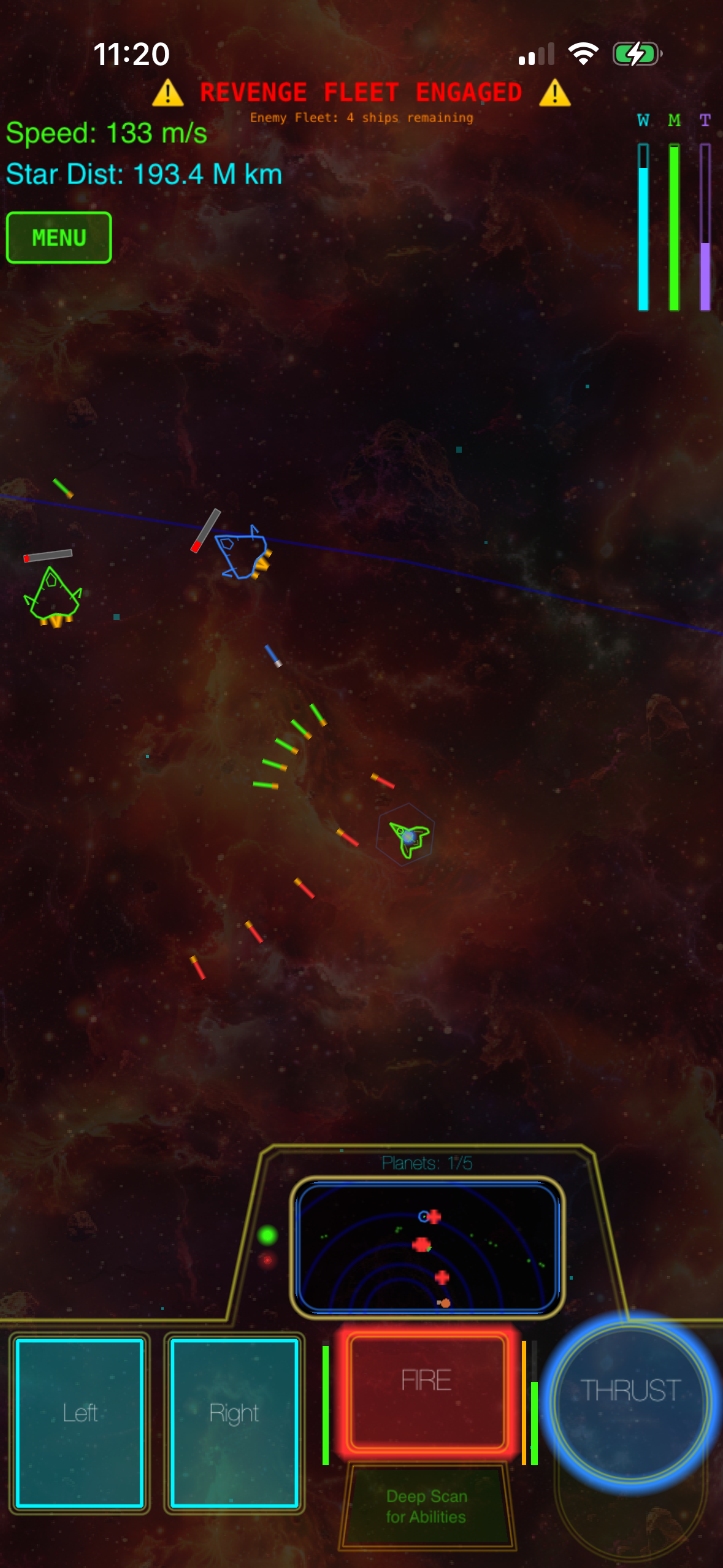
Real-time combat happens in gravity wells. You’re subject to every body’s pull — the same physics that lets you steal speed from a planet also means you can’t just strafe-and-gun. Tactical positioning matters. Fuel efficiency matters. Knowing when to burn your engine and when to coast through a gravity well separates runs where you limp to the next station from runs where you arrive with resources to spare.
The game ships complete at the launch-price tier. Buyers who purchase before the Infinitum expansion launches (currently scheduled for late 2026) will receive that expansion free when it ships. Infinitum adds open-galaxy sandbox, planetary surface exploration, and outpost building. After Infinitum launches, the combined game moves to a higher price tier.
Price: one-time purchase
Requirements: iOS 15.1 or later; 1.8 GB storage; optimized for iPhone 12 and later
Inscryption: Card-Based Roguelike with Meta-Layers
Inscryption is a deck-building roguelike wrapped in a puzzle-box narrative. Each run, you’re dealt a randomized card pool and forced to make hard choices: do you take the powerful card that doesn’t synergize with your current deck, or stick with consistency? Boss fights escalate in difficulty and introduce new rules — some battles lock your deck, others give you a random hand each turn. The procedural generation isn’t just layout; it’s the entire decision tree.
What sets Inscryption apart is meta-progression. Runs fail, but they unlock new cards, new mechanics, and new narrative pieces. After 5-10 runs, you’ll have discovered card combinations that feel broken in the best way. After 20 runs, you’ll have unlocked hidden mechanics that recontextualize the entire game. The game respects your time: a full run takes 30-45 minutes, and death doesn’t wipe meta-progression — it just ends this run.
Price: one-time purchase Requirements: iOS 14.0 or later; 850 MB storage; optimized for iPhone 11 and later
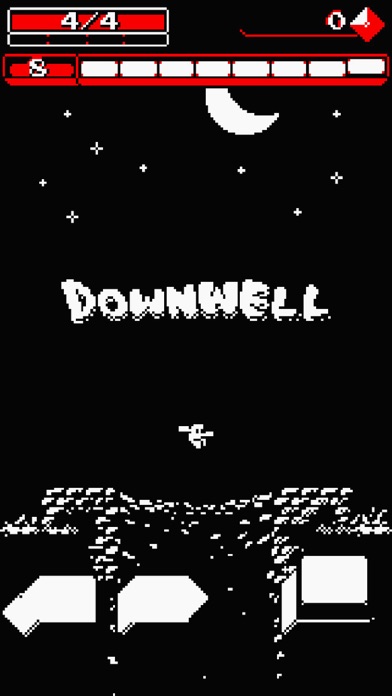
Downwell: Vertical Descent Action Roguelike
Downwell strips roguelike design to its essence: descend a procedurally generated well, collect weapon upgrades mid-run, and use emergent combinations to survive. The core mechanic is simple (you fall, you shoot, your shots slow your descent). The depth emerges from weapon variety — some weapons fire in bursts, others in arcs, some generate shields. Combining two mid-run upgrades creates entirely new tactics. One run you’re a spread-shot cannon. The next you’re a rapid-fire sniper with a shield generator.
Procedural level generation means no two descents follow the same path. Enemy placement changes. Upgrade order changes. The well’s visual theme changes (you descend through five different biomes, each with unique enemies and aesthetic). Tight controls and pixel-perfect hitboxes reward skill over luck — a skilled player can survive longer on any seed than a novice on the “easy” seed.
Price: one-time purchase
Requirements: iOS 10.0 or later; 120 MB storage; works on all iPhone models
Hades: Narrative Roguelike with Story Progression
Hades flips the roguelike script: every death advances the narrative. You’re Zagreus, trying to escape the Greek underworld. Each run, you get further before dying. Each death, you return to the starting chamber with new dialogue, new story context, and new relationship development with the cast. After 10-15 runs, you’ll have unlocked so much narrative that the game feels like it’s actively rewarding you for dying.
Mechanically, Hades is a fast-paced action roguelike with weapon variety (six base weapons, each with multiple playstyles via unlockable aspects), power-up selection (Boons from Greek gods that modify your abilities), and procedural room generation. The difficulty scales — you can adjust it mid-run — so it’s accessible to action-game newcomers while still offering challenge-run modes for veterans. Procedural design means you’re never repeating the same path twice, but the narrative keeps pulling you back.
Price: one-time purchase
Requirements: iOS 13.2 or later; 2.1 GB storage; optimized for iPhone 11 and later
Spelunky 2: Physics-Based Procedural Platformer
Spelunky 2 is a platformer roguelike where procedural level generation and emergent physics create infinite replayability. Each level is randomly generated using hand-crafted room templates (pre-designed 10x8 tile sections) that the algorithm combines and connects, ensuring every path feels intentional rather than purely random. The physics engine (ropes, platforms, enemies with momentum, environmental hazards) means a single decision ripples across the entire run. You trigger a trap that kills an enemy that would have blocked your path. You accidentally create a chain reaction that opens a shortcut.
The procedural generation extends to encounters: you might stumble into a hidden boss, discover a secret shop, or accidentally trigger a curse that changes the entire run’s difficulty. Mastery comes from understanding the physics deeply enough to predict outcomes and exploit them. A skilled player can navigate chaos. A novice sees chaos and reacts. Both are valid, and both lead to unique runs.
Price: one-time purchase
Requirements: iOS 14.4 or later; 1.2 GB storage; optimized for iPhone 12 and later
Why Premium Roguelikes Matter in 2026
The free-to-play roguelike market is saturated. Most f2p roguelikes use procedural generation as a justification for thin content — “infinite levels” when really it’s infinite repetition of the same three encounter types with energy timers to pace play. Premium roguelikes reject that model. They’re built on the assumption that procedural design is craft, not a shortcut. A well-designed roguelike respects your time, trusts your judgment, and assumes you’ll come back because the game is genuinely fun, not because you’re chasing a daily login bonus.
The games listed here all ship complete. No battle pass. No seasonal content that expires. No “come back in 4 hours” timers. You buy once, and the procedural systems ensure that “once” means hundreds of hours if you want them.
FAQ
Do I need a controller to play these roguelikes on iPhone?
No. All the games listed here are designed for touch input. Some (Hades, Inscryption) benefit from a controller if you have one, but they’re fully playable and balanced around touch. Spelunky 2 and Downwell especially feel native to touch — the precision of tap-to-aim and swipe-to-move is part of the design.
Which of these games has the steepest learning curve?
Galaximus demands the most upfront investment. Gravity mechanics are unintuitive until they click, and that usually takes 30-60 minutes of play. Spelunky 2 comes second — the physics engine creates emergent situations that reward experimentation. Hades is the most forgiving; it has difficulty settings and teaches mechanics gradually. Inscryption and Downwell fall in the middle.
Can I play these in short sessions?
Yes. A Downwell run takes 10-15 minutes. An Inscryption run takes 30-45 minutes. A Hades run takes 20-30 minutes. Galaximus runs vary (10-30 minutes depending on how deep you push). All of them support pause-and-resume on iPhone, so you can step away mid-run. None of them demand a 2-hour time commitment.
Can I transfer progress between iPhone and iPad?
All five games support iCloud sync for cross-device play. If you own the game on both devices, your progress syncs automatically. Check each game’s settings to enable iCloud sync if it doesn’t activate by default.
Do any of these have multiplayer or social features?
No. All of these are single-player experiences. Some (Hades, Inscryption) have optional leaderboards for speedrunning, but they’re not required.
The Roguelike Format Is Thriving on Premium iPhone
Roguelikes on iPhone have proven they don’t need free-to-play mechanics to sustain engagement. Procedural design is the hook — not the excuse. The five games here represent different angles on the format: orbital mechanics, deck-building, action-arcade, narrative-driven, and physics-based platforming. Each one respects the player’s time, ships complete, and trusts procedural generation to create infinite replayability without infinite monetization.
If you’re tired of energy timers and seasonal passes, these games prove the alternative works. Buy once, own forever, and let procedural systems handle the rest.


