iPhone Games With Story and No IAP: Narrative Focus

iPhone Games With Story and No IAP: Narrative Focus
Story-driven iPhone games without IAP exist—and they’re worth the hunt. Most premium indie developers who lean into narrative have learned that paywalls mid-plot kill immersion. This article covers games where the story is the point, the price is upfront, and there are no energy timers or battle-pass seasons interrupting the arc.
Why Story Games Go Premium
The economics of narrative games on iOS have shifted. Free-to-play story titles rely on ad breaks or battle passes to survive; the result is pacing that feels designed by a monetization spreadsheet, not a writer. Premium story games—games you buy once and own—allow developers to structure pacing around emotional beats, not monetization hooks.
Players consistently report that story-driven games funded upfront feel more complete. The developer isn’t trying to keep you logging in daily; they’re trying to tell you something. That freedom shows in the writing, the scene length, and the willingness to let quiet moments breathe.
What Makes a Story Game Work on iPhone
Story games on mobile face a constraint desktop games don’t: interruption. A good iPhone narrative game accounts for play sessions that might be brief or extended. The best ones use branching dialogue, real-time choice, or episodic structure to let you stop and start without losing narrative momentum.
Craft-built story games also tend to lean into what iPhone does well: intimate perspective. A 40-inch TV epic doesn’t translate; a game about a single character’s internal monologue, or a small group navigating a specific moment, does. The smaller scope isn’t a compromise—it’s the format’s strength.
Top Picks: Story Games Without Paywalls

Kentucky Route Zero
Kentucky Route Zero is a five-act magical-realist game about a truck driver delivering his final load along a secret highway. It’s not action; it’s walking, talking, and listening. The story branches subtly—your dialogue choices don’t fork into wildly different endings, but they shape tone and emphasis. The game rewards replaying to catch what you missed the first time.
The craft here is in the writing and the art direction. The visual style is minimalist, almost diorama-like. The soundtrack is sparse and haunting. Each act is paced to feel like a chapter in a novel, not a level in a game. No timers. No progression bars. Just story.
A Space for the Unbound
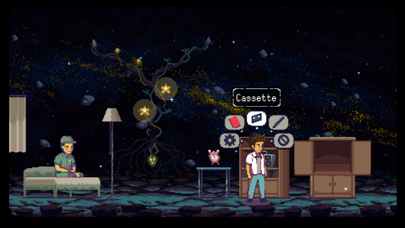
A Space for the Unbound is a coming-of-age story set in rural Indonesia in the late 1990s. You play two high school students navigating friendship, first love, and a slowly-unfolding supernatural mystery. The pixel art is hand-drawn and detailed—every frame was drawn individually, not assembled from tilesets.
The story is roughly 2–3 hours, which sounds short until you’re in it. The pacing is deliberate. There’s time for mundane moments—riding bikes, eating snacks, sitting in class—that give weight to the emotional beats. The mystery deepens gradually and the ending recontextualizes everything. It’s a complete story with no sequel hooks, no season pass, no reason to open it again tomorrow.
Oxenfree
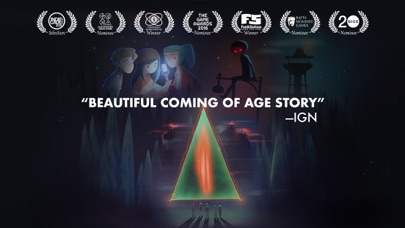
Oxenfree is a supernatural mystery on an island where a group of friends accidentally opens a ghostly frequency on their radio. The story unfolds in real time—you can talk over other characters, interrupt, or stay silent, and the dialogue tree reflects that. This real-time dialogue system makes conversations feel less “choose option A, B, or C” and more like you’re actually part of a group dynamic.
The mystery is genuinely unsettling. The pixel art and synth soundtrack reinforce the 80s-horror vibe without leaning into jump scares. Your choices matter—not in the “three endings” sense, but in how relationships shift and what information you uncover. The game respects your intelligence; it doesn’t explain everything.
80 Days
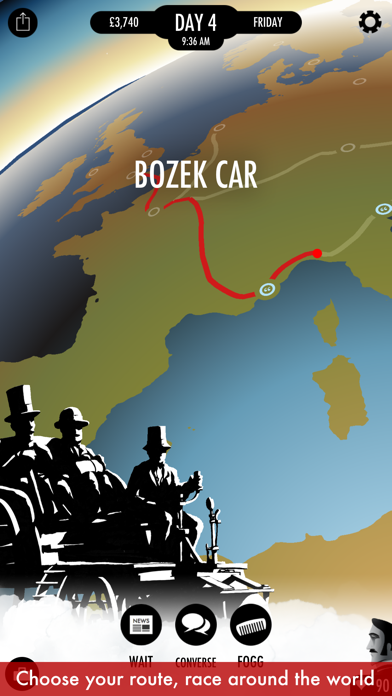
80 Days is a choose-your-own-adventure game based on Jules Verne’s Around the World in Eighty Days, but reconceived as a story where your choices reshape the journey. You play Phileas Fogg’s valet, Passepartout, and you’re the one making decisions: which route to take, which companions to trust, how to spend your limited funds.
The game has hundreds of branching outcomes—not just dialogue forks, but entire plot branches that lock out other paths. A single playthrough takes 4–6 hours. The writing is sharp and the world-building is dense. Each location feels distinct. The game respects replay value; different routes reveal different stories.
Disco Elysium: The Final Cut
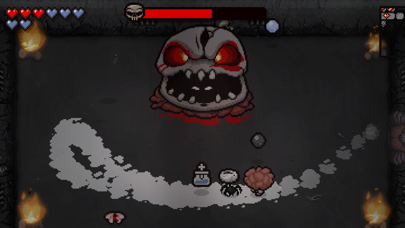
Disco Elysium is a detective RPG set in a gritty, surreal city. You play a cop with no memory, and the story is about recovering who you were while solving a murder. The narrative is massive—per the developer’s official spec, the game contains roughly 1 million words of dialogue. It’s not a game you finish in an afternoon; it’s a story you inhabit for weeks.
The craft is in the writing and the character system. Your skills—Intellect, Psyche, Physique, Motorics—have their own voices and argue with you. The game is funny, brutal, and introspective in turns. It respects your agency; you can fail at tasks and the story continues, shaped by your failure. No paywalls. No energy system. Just a story that trusts you to sit with it.
What Remains of Edith Finch
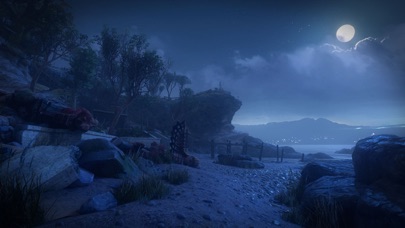
What Remains of Edith Finch is a short, quiet game about a woman exploring her family’s house and uncovering the stories of her relatives. It’s not a mystery to solve; it’s a meditation on memory, family, and mortality. The game is roughly 2 hours.
The emotional impact is disproportionate to the runtime. Each vignette—a moment in a relative’s life—is told through environmental storytelling and light interaction. The game doesn’t explain; it shows. The ending is both heartbreaking and gentle. This is a game you finish and sit with in silence for a few minutes.
The Economics: Why Story Games Cost What They Do
A premium story game with no IAP costs between budget-tier and mid-tier pricing. That’s not arbitrary. A 4–10 hour story game with art, sound, and writing requires 1–2 years of full-time development. The upfront price reflects that labor.
If a story game is free or free-with-IAP, the economics work differently. The developer is betting on a small percentage of players spending heavily, or on ad revenue. That changes the incentive structure. A premium story game’s incentive is simple: make the story good enough that people feel the price was fair.
FAQ
Can I pause a story game mid-scene and return later? Yes. Most premium story games auto-save after major choices or scene changes. You can close the app and return later without losing progress. A few games (like Disco Elysium) have traditional save systems where you can save anywhere.
Do I need headphones for story games? Not required, but recommended. Story games often use sound design—music, ambient noise, voice acting—as part of the narrative. Headphones deepen immersion. That said, the story itself is readable; sound is enhancement, not requirement.
How long do these games take to finish? Most premium story games clock in at 2–10 hours, depending on how much you explore and replay. Kentucky Route Zero is 5–8 hours. A Space for the Unbound is 2–3. Disco Elysium is 30–50 hours if you’re thorough. The App Store listing usually mentions playtime; check there for specifics.
Do story games support MFi controller input? Some do, some don’t. Kentucky Route Zero and Oxenfree support controllers; A Space for the Unbound and What Remains of Edith Finch are touch-only. Check the App Store listing under “Requires controller” or “Gamepad support” before purchasing if this matters to you.
Can I transfer my save between iPhone and iPad? Most premium story games sync saves via iCloud if you’re signed into the same Apple ID. Disco Elysium, Kentucky Route Zero, and Oxenfree all support cross-device sync. A few older titles don’t; check the developer’s support page if you’re unsure.
The Takeaway
Story games on iPhone are thriving, but only if you know where to look. The premium, IAP-free ones tend to be quieter—they don’t advertise with video ads or push notifications. They rely on word-of-mouth and critic coverage. That’s actually a feature: it means the games that make it through are usually good. A developer who funds a story game upfront and refuses to monetize mid-plot is betting on craft, not engagement tricks. That bet usually pays off.
If you’re tired of free-to-play story games that pause your narrative every 10 minutes to show you an ad, the games above are the antidote. They cost a few dollars. They’re complete. And they trust you to care about the story enough to sit with it.


