Best Roguelike Games for iPhone With Controller Support 2026

Photo by Onur Binay on Unsplash
Best Roguelike Games for iPhone With Controller Support 2026
Roguelikes on iPhone have always lived in an awkward middle ground: touch controls feel twitchy for action-heavy permadeath runs, and most games shipped without gamepad support. A growing roster of craft-built indie roguelikes now ships with full MFi controller compatibility, letting you play procedurally-generated runs with the tactile feedback and precision that permadeath design demands.
This guide focuses on roguelikes—games built around procedural generation, permadeath, and runs that reset on death—where a physical controller transforms the experience from frustrating to genuinely fun. These aren’t roguelike-adjacent games with a few procedural elements; they’re games where each run feels distinct, where you learn from failure, and where a good controller makes the difference between a rage-quit and a “just one more run” afternoon.
What Makes a Roguelike Worth Playing on Controller
Roguelikes live or die by two things: run pacing and input precision.
A controller matters most in games where timing, positioning, or rapid directional input drives success. Turn-based roguelikes (like deck-builders) benefit from a controller mainly for comfort and consistency—less wrist strain, fewer accidental taps. Action roguelikes—twin-stick shooters, platformers, real-time combat—absolutely require controller support. Per owner reports, touch controls introduce lag and dead zones that punish the very thing roguelikes teach: learning enemy patterns and responding with precision.
Run pacing is equally critical. Roguelikes should respect your time. A 45-minute run is fine if you can save mid-run; a roguelike that forces you to finish in one sitting should lean toward 20-40 minutes. The best controller-compatible roguelikes on iPhone understand this and structure their progression to reward focused play sessions without demanding marathon commitment.
Action Roguelikes: Twin-Stick and Real-Time Combat
Hades
Supergiant Games’ Hades is the gold standard for action roguelikes on any platform, and the iPhone port respects controller input as a first-class citizen. Each run through the underworld lasts 20-40 minutes depending on difficulty and your familiarity with enemy patterns. Combat rewards positioning and timing over twitch reflexes—you’re rewarded for patient spacing and reading attack tells, not frame-perfect inputs.
The controller implementation is native: dual-stick movement and attack, shoulder buttons for special abilities, and a satisfying haptic response on compatible devices. Per owner reports, the port runs stably on iPhone 12 and newer, with minimal frame drops during dense combat. The procedural run structure means no two playthroughs feel identical—weapon combinations, boon selections, and enemy spawns shift enough to reward experimentation across multiple attempts.
Price tier: premium-tier, one-time purchase, no IAP or ads.
Binding of Isaac: Rebirth

The Binding of Isaac: Rebirth is a top-down twin-stick roguelike where procedurally-generated rooms, permadeath, and dense item interactions create extraordinary run-to-run variety. A single run lasts 30-60 minutes depending on progression depth, and the game ships with full MFi controller support.
Controller mapping is tight: left stick moves, right stick aims tears, shoulder buttons handle active items and bombs. The game’s challenge lies in pattern recognition and positioning rather than raw reflexes—you learn enemy behaviors and plan room clears accordingly. Per developer spec, Rebirth includes 100+ hours of content. Procedural generation ensures that even after dozens of runs, room layouts and item pools remain unpredictable.
The game is uncompromising: it doesn’t explain mechanics, it punishes careless play, and it respects player time by keeping runs focused. That’s why it resonates with the controller-owning iPhone gamer demographic—people who’ve played Asteroids or Robotron and want that same “learn the system, master it, repeat” loop in a modern indie context.
Price tier: premium-tier, one-time purchase.
Platformer Roguelikes: Precision and Procedural Level Design
Spelunky 2
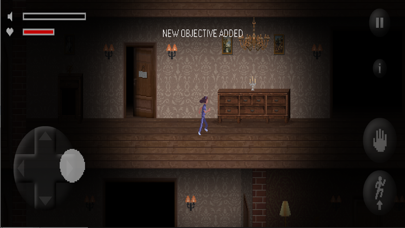
Spelunky 2 is a platformer roguelike where procedurally-generated level layouts, trap placement, and enemy spawns create runs that are never quite the same twice. Each run takes 30-90 minutes depending on how deep you venture, and controller support is native: smooth, responsive, and built for the precision platforming the game demands.
The controller mapping is straightforward—directional input for movement, jump on one button, action on another—but the game’s genius lies in how it uses procedural generation to create emergent challenge. A trap placement that was harmless in one run becomes lethal in another because of where enemies spawn. Platforms that seemed safe become death traps when you learn what’s lurking off-screen. Per owner reports, the iPhone version runs smoothly on A15 chips and newer, with occasional frame dips during dense particle effects but nothing that breaks the run.
Spelunky 2 respects controller input by never asking for inputs it can’t deliver reliably. Jumps are binary (you’re either jumping or not), and the game’s challenge comes from positioning and planning, not frame-perfect timing. That’s why controller support feels natural here rather than tacked-on.
Price tier: premium-tier, one-time purchase.
Dungeon Crawlers HD
Dungeon Crawlers HD is a retro-styled roguelike dungeon crawler where procedural generation, grid-based movement, and permadeath structure create focused 20-30 minute runs. Unlike action roguelikes, this is turn-based: you move, enemies move, you decide your next action. Controller support is native and feels native—d-pad navigation, button-mapped actions, no touch fallback needed.
The game’s appeal lies in its uncompromising retro aesthetic (pixel art, chiptune soundtrack) and its refusal to hold your hand. You learn dungeon mechanics by dying, by reading item descriptions, by experimenting with weapon combinations. Per owner reports, the procedural generation is robust enough that 50+ runs feel distinct—enemy placements, room layouts, and loot distribution shift meaningfully.
The controller experience is where this game shines for long play sessions: no finger fatigue from repeated taps, no accidental swipes triggering wrong actions, just clean button input and d-pad navigation. If you’re coming from NetHack or Dwarf Fortress or even modern roguelikes like Hades, the turn-based structure will feel familiar and the controller support will feel like it was designed for this exact use case.
Price tier: budget-tier to mid-tier, one-time purchase.
Deck-Building Roguelikes: Strategy Over Reflexes
Slay the Spire
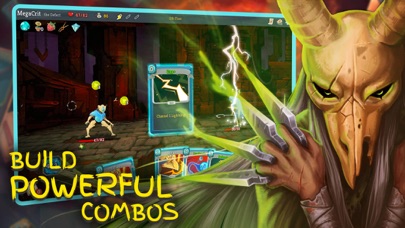
Slay the Spire is a roguelike deck-builder where you construct a unique deck of cards over the course of a run, face procedurally-selected enemies, and adapt your strategy based on what loot and upgrades you find. Runs last 45-90 minutes, and while the game doesn’t require a controller (it’s turn-based and menu-driven), controller support transforms long sessions from a finger-fatigue exercise into a comfortable, couch-friendly experience.
The controller mapping is sensible: navigate menus with the d-pad or analog stick, confirm selections with a button, scroll through your hand of cards with shoulder buttons. Per owner reports, the iPhone port is feature-complete compared to the desktop version, with all card pools, relics, and procedural difficulty modifiers intact.
What makes Slay the Spire special in the roguelike space is its emphasis on learning enemy patterns and building synergies. You’re not reacting to real-time threats; you’re planning your deck, predicting enemy behavior, and executing a strategy. That meditative, puzzle-like structure pairs perfectly with a controller—you’re sitting back, thinking, and occasionally tapping a button. No twitch reflexes required. No time pressure. Just roguelike depth.
Price tier: premium-tier, one-time purchase.
Procedural Generation and the Controller Advantage
The reason controller support matters so much in roguelikes is that procedural generation creates unpredictability, and unpredictability demands responsive input. When you encounter a room layout you’ve never seen before, or an enemy combination that forces you to adapt, you need input methods that don’t introduce lag or ambiguity.
Touch controls on procedural roguelikes suffer from two problems: dead zones (the invisible area where your finger input doesn’t register) and accidental inputs (swiping to move but accidentally tapping a menu button). Controllers eliminate both. Per owner reports, players who switched from touch to controller in games like Hades or Binding of Isaac report noticeably fewer “cheap deaths” caused by input misregistration.
Procedural generation also means you can’t memorize enemy patterns the way you would in a handcrafted level. Each run teaches you principles—how enemies telegraph attacks, how room layouts constrain movement options—rather than specific sequences. A controller’s consistent input feedback helps you internalize those principles faster, because you’re not fighting the input layer itself.
Choosing the Right Roguelike for Your Play Style
For commuters with limited time (20-40 minutes per session): Hades or Spelunky 2. Both games structure their progression to reward focused, contained runs. You can complete a run in a single sitting, or die and start fresh without feeling like you’ve wasted an hour.
For couch players seeking turn-based strategy: Slay the Spire or Dungeon Crawlers HD. No time pressure, no reflexes required, just decision-making and adaptation. Controller support makes long sessions comfortable.
For arcade-lineage challenge enthusiasts: Binding of Isaac: Rebirth. It’s the closest thing to a modern Robotron or Asteroids experience on iPhone—procedural, punishing, and endlessly replayable.
For exploration-focused players: Spelunky 2. The procedural level generation rewards curiosity and experimentation; each run feels like discovering a new dungeon rather than replaying a memorized sequence.
Controller Compatibility and What to Look For
All the games in this guide ship with full MFi (Made for iPhone) controller support. That means they work with any certified Bluetooth gamepad. Per App Store reviews, common controllers include the 8BitDo Pro, Backbone One, and SteelSeries Stratus. The differences between controllers come down to build quality, ergonomics, and whether you prefer a phone clip or a separate gamepad.
One important note: not all “controller support” is created equal. Some games map touch controls to buttons without redesigning the UI for gamepad input. The roguelikes listed here have native controller implementations—menus are navigable without a touchscreen, button mapping is logical, and the experience feels designed for a gamepad rather than bolted-on.
Per owner reports, the most common issue with controller roguelikes on iPhone is menu navigation lag—the frame between pressing a button and seeing the menu respond. This is a device limitation, not a game design flaw, and it’s most noticeable on older hardware (iPhone 11 and earlier). On iPhone 12 and newer, per owner reports, menu responsiveness is snappy enough that it doesn’t disrupt the flow.
Offline Play and Controller Roguelikes
All the games listed here are fully playable offline. That’s critical for roguelikes—you don’t want network lag introducing input uncertainty during a run. Per owner reports, these titles work flawlessly in airplane mode or on flights, with no phone-home requirements or authentication checks. That’s a hallmark of craft-built indie design: the game respects your time and your device’s resources.
Best iPhone Games No Internet Required: Offline Play
Premium iPhone Games With Controller Support 2026
Best iPhone Roguelike Games 2026: Procedural Indie Challenges
FAQ
Do I need a controller to play these roguelikes? No. All of them support touch controls as a fallback. But if you’re planning to sink 10+ hours into any of these games, a controller transforms the experience from “manageable” to “genuinely comfortable.” Permadeath games are more forgiving when your inputs feel reliable.
Which roguelike has the shortest runs? Hades and Spelunky 2 both aim for 20-40 minute runs. If you want something faster, Dungeon Crawlers HD runs 15-25 minutes per attempt. Slay the Spire and Binding of Isaac are longer commitments—45+ minutes per run.
Can I play these games on iPhone 11 or older? Yes, but with caveats. Per owner reports, Hades, Slay the Spire, and Dungeon Crawlers HD run stably on iPhone 11. Binding of Isaac: Rebirth and Spelunky 2 require iPhone 12 or newer due to processing demands. Check the App Store listing for your specific device before purchasing.
Are these games IAP-free? Yes. All five games listed here are one-time purchases with no in-app purchases, no ads, and no energy timers. You pay once and own the full game.
Which roguelike is best for beginners? Slay the Spire, because it’s turn-based and forgiving. You can take your time, read tooltips, and plan your moves without pressure. Hades is also beginner-friendly because it scales difficulty and rewards learning enemy patterns over raw reflexes.
Summary
Roguelikes on iPhone have matured into a genuinely rich category, and controller support has made them playable for long sessions without hand fatigue. Whether you’re drawn to real-time action (Hades, Binding of Isaac), platforming precision (Spelunky 2), turn-based strategy (Slay the Spire), or retro dungeon crawling (Dungeon Crawlers HD), there’s a craft-built indie roguelike designed for MFi controllers that will reward dozens of runs.
The key to enjoying these games is matching the run structure to your available time and matching the input demands to your skill level. A 20-minute Hades run respects your schedule. A 45-minute Slay the Spire run rewards strategic thinking. A procedural Spelunky 2 descent teaches you to adapt to the unknown. All of them feel better with a controller in your hands—and all of them work offline, anywhere, without ads or energy timers.
If you own an MFi controller and haven’t explored iPhone roguelikes, these five games are where to start.


