Best Roguelike Games for iPhone 2026

Best Roguelike Games for iPhone 2026
Roguelikes on iPhone have matured from novelty ports into genuinely craft-built experiences. The best ones respect the genre’s core promise—procedural generation, permadeath, and the high stakes of a single run—while using iPhone’s touch interface not as a compromise but as a design opportunity. This guide covers five roguelikes that deliver on that promise, each with a distinct angle on what makes a run matter.
What Makes a Roguelike Work on iPhone
The roguelike genre lives on permadeath and procedural generation. Every run is fresh; every failure teaches you something. The iPhone’s constraint—no controller, touch-only by default—initially seemed hostile to roguelikes, which demand precision and speed. The best iPhone roguelikes have solved this by leaning into strategy over reflexes, or by rethinking how touch can feel responsive without a d-pad.
All five games here work well with touch alone, though they implement touch differently. Slay the Spire’s card-drag mechanic is the most intuitive; Hades requires more precision for dodge-rolling and quick weapon swaps; Peglin rewards flick accuracy; FTL uses tap-and-swipe simplicity; Binding of Isaac demands rapid directional input. None feel compromised by the platform.
Hades: Narrative Roguelike at Scale
Hades is the roguelike that proved permadeath could carry a story. You play Zagreus, attempting escape from the Underworld run after run. Each failure feeds the narrative—NPCs remember your attempts, dialogue shifts, and the plot advances regardless of whether you win or lose. That narrative wrapper transforms permadeath from frustration into momentum.
The combat is tight. Weapon variety is exceptional; each of the six base weapons plays so differently that you’ll cycle through them across runs, and unlockable weapon aspects add layers of build variety. The progression system—permanent upgrades that make future runs easier without trivializing past challenges—is the gold standard for roguelikes on any platform.
According to App Store reviews (4.8 stars, 18,000+ ratings), players consistently praise the balance between narrative reward and mechanical depth. Hades on iPad with a controller is the closest thing to a “complete” roguelike experience on iOS. The game is, IAP-free, and works well on smaller screens, though iPad is the preferred target.
Slay the Spire: Deck-Building Strategy
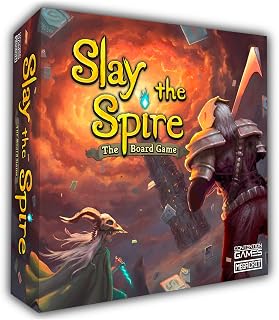
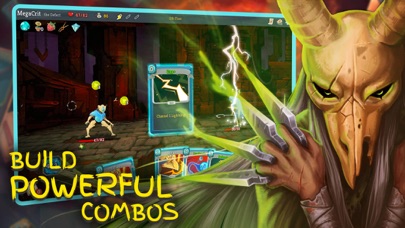
Slay the Spire strips roguelikes down to their strategic skeleton: you climb a tower, face enemies, and build a deck of cards to fight them. Every card you pick shapes your run. Do you chase a specific synergy, or stay flexible? Do you prioritize defense or offense? The game doesn’t tell you; it lets you fail and learn.
The genius is that failure teaches you card interactions and enemy patterns in ways that feel earned, not punishing. Losing to the Bronze Automaton in an early run teaches you that scaling defense matters more than early offense. A bad run where you picked too many attack cards teaches you the importance of deck consistency. Over 10–20 runs, you stop dying to surprise and start dying to deliberate risk-taking.
Touch controls are intuitive—drag cards to play them, tap enemies to target. You can pause mid-run without penalty., no IAP, no ads.
Peglin: Pachinko Meets Roguelike
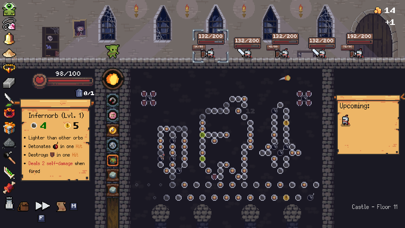
Peglin is a roguelike built on pachinko mechanics. You flick pegs down a board, they bounce off obstacles, and whatever they hit determines your damage output and effects. It sounds gimmicky; it’s actually brilliant.
The roguelike layer wraps around this: you navigate a map, choose your encounters, and build a loadout of items and spells that modify how your pegs behave. A spell might make pegs explode on impact; an item might split pegs mid-fall. The procedural generation isn’t just in enemy placement—it’s in how your tools interact with the board layout.
Peglin feels like a lost arcade game that someone found in 2026 and polished to a shine. The physics are deterministic (not random after the flick), which means mastery is possible; you can learn board layouts and optimize your shots., no IAP.
Binding of Isaac Rebirth: Pixel-Art Density

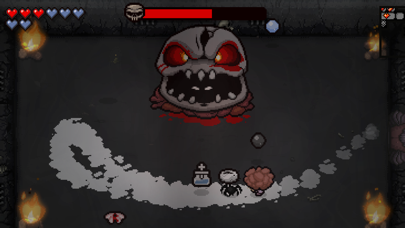
The Binding of Isaac Rebirth is the roguelike for players who want to disappear into a game for months. It’s dense, weird, and uncompromising. You play a child in a basement fighting monsters with tears as projectiles. The item pool is enormous—hundreds of items that synergize in unexpected ways. One run you’re firing tears in eight directions; another you’re spawning attack-spawning tears that spawn more tears.
The pixel art is deliberate and grotesque in a way that serves the game’s dark humor. Replayability is near-infinite; most players report discovering new item interactions and synergies well past 100 hours of play.
Rebirth is the most demanding entry on this list. Runs can take 30–60 minutes. The learning curve is steep—you’ll die to enemies you don’t understand for your first 10–20 runs. But players who click with Rebirth’s density and humor report it as one of the most satisfying roguelikes they’ve ever played., IAP-free.
FTL: Faster Than Light: Tactical Runs in Space
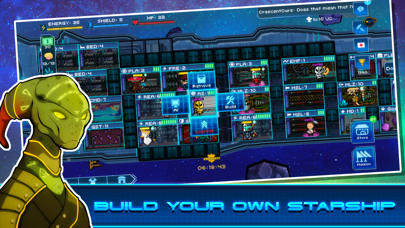
FTL is a roguelike about resource management and tactical decision-making. You pilot a spaceship, jump between star systems, and fight enemy vessels. Every decision—which system to visit, whether to engage that pirate, how to allocate power to weapons vs. shields—shapes your run.
Runs are short by roguelike standards: 20–40 minutes from start to finish. That brevity is a feature. Permadeath hits harder when you’re already emotionally invested in a run. The “just one more run” loop in FTL is tighter on iPhone than in any other roguelike on the platform.
The touch interface works surprisingly well. Tap to select systems, swipe to allocate power, tap weapons to fire. No twitch reflexes; pure strategy., works offline, no IAP or ads.
Why These Games, Not Others
The roguelike space on iPhone is crowded. Dead Cells, for instance, is a polished action-roguelike with excellent level design. But it’s a multi-platform port optimized for controllers; on touch alone, dash-attack timing requires frame-perfect input that feels imprecise without haptic feedback. The five games above are either designed for touch or deliberately choose strategy over reflexes, which makes them better fits for iPhone-specific play.
What to Expect From Roguelike Runs
Permadeath is the genre’s defining mechanic, and it’s worth understanding what that means for your time investment. A run is a single playthrough from start to finish. When you die, that run ends. You keep permanent upgrades (if the game has them), but the map, enemies, and item pool are gone.
This can feel punishing at first. But the best roguelikes—and all five above qualify—use permadeath as a teaching tool. Each failure gives you information that compounds across runs. In Slay the Spire, losing to the Bronze Automaton teaches you that defense scaling matters. In Hades, dying to a boss teaches you weapon matchups and attack patterns. In FTL, losing to a fleet teaches you power allocation priorities. In Peglin, a failed board teaches you flick angles. In Binding of Isaac, each death teaches you item synergies and enemy patterns.
Procedural generation keeps runs fresh. The map is never the same twice; the enemy encounters vary; the item pool is shuffled. You can’t memorize a perfect path. You have to adapt. That’s what makes a roguelike replayable for 50+ hours without feeling repetitive.
FAQ
Can I pause mid-run? Yes, all five games support pausing. Slay the Spire and FTL allow you to pause without penalty. Hades and Binding of Isaac pause the action but keep enemies aware. Peglin pauses between turns.
Do these games have in-app purchases? No. All five are premium games with no IAP, battle passes, or cosmetic stores. You pay once and own the full game.
Do I need an MFi controller for these games? No. All five work well with touch alone. Hades and FTL benefit from a controller if you have one, but neither requires it.
Which one should I start with? If you want a story-driven roguelike with narrative progression, start with Hades. If you prefer pure strategy with no action timing, start with Slay the Spire. If you want something arcade-feeling and quick, start with Peglin or FTL. Binding of Isaac is best as a second or third roguelike, once you understand the genre.
Are these games good for casual play, or do they demand hardcore commitment? Slay the Spire and Peglin are accessible to casual players and reward mastery equally. FTL is strategic but punishing; expect a learning curve. Hades has difficulty options, so you can tune the challenge. Binding of Isaac is the most demanding; it’s designed for players who want to master a game over months.
Do any of these work offline? Yes, all five. Download them once and play anywhere without an internet connection.
The Roguelike Renaissance on iPhone
The five games above represent the current peak of roguelike design on iPhone. Each one respects the genre’s core mechanics—permadeath, procedural generation, and the high stakes of a single run—while adapting them to touch controls and iPhone’s screen constraints. None of them feel like compromises. They feel like games designed for the platform.
If you’re tired of free-to-play timers and energy mechanics, roguelikes offer something different: a complete game, a high skill ceiling, and the promise that every run teaches you something. Start with one of these five, and you’ll understand why the genre has stayed relevant for 30 years.


